A journey through flavor, origin, and craft
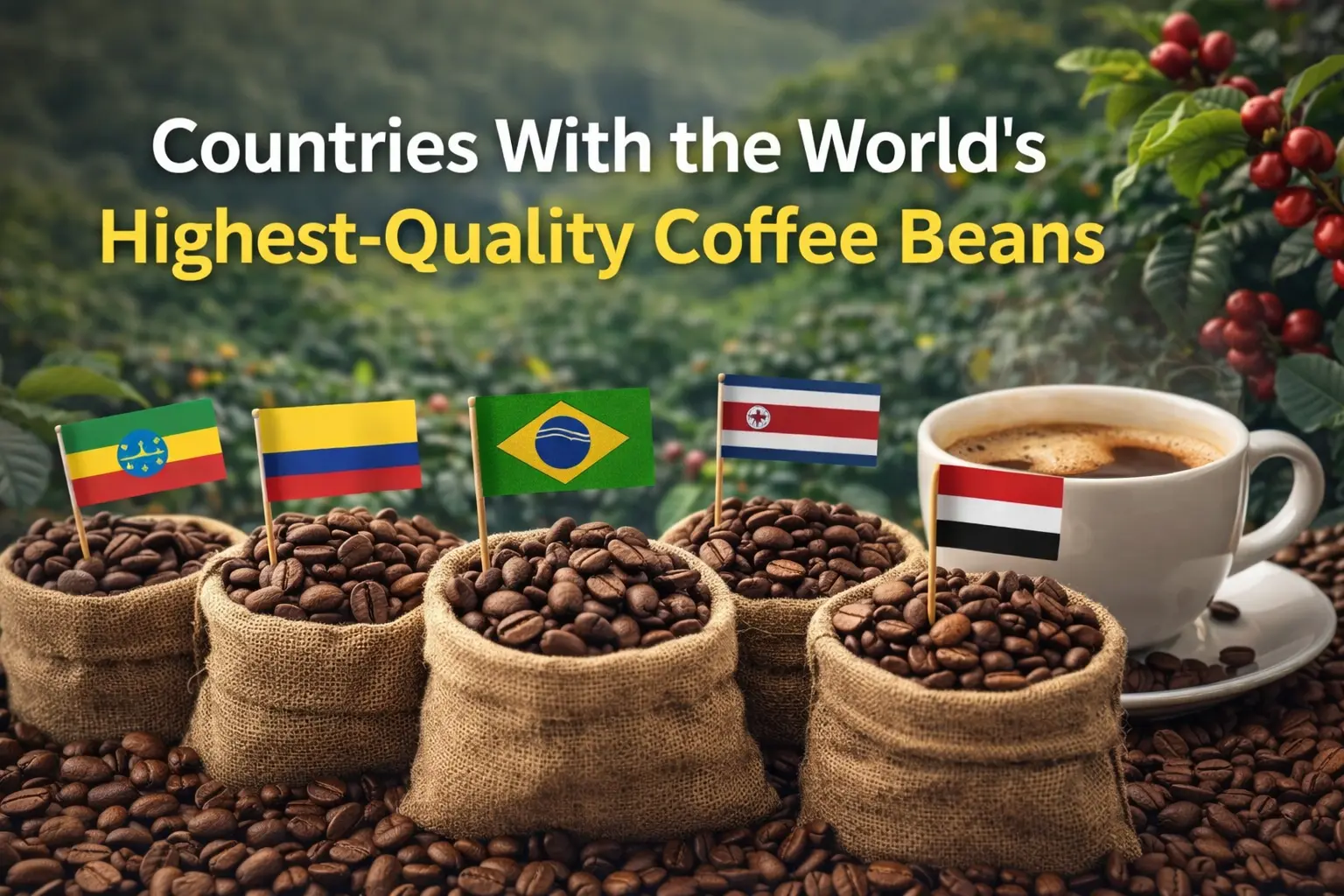
For true coffee lovers, quality isn’t just about caffeine—it’s about story, soil, altitude, tradition, and craft. The country where coffee is grown plays a huge role in how it tastes in your cup, but what truly defines “high-quality” coffee is the harmony between climate, bean variety, processing, and human expertise.
From bright, berry-forward brews to soft, chocolatey comfort cups, some countries have earned a global reputation for producing consistently exceptional coffee. Let’s take a journey through the countries most celebrated for high-quality coffee beans—and what makes each origin truly special
1. Colombia – The gold standard of balance
Colombia is often considered the benchmark for quality coffee—and for good reason. With ideal elevations, rich volcanic soil, and a deeply established coffee culture, Colombian beans are known for their balance, clarity, and complexity.
Regions like Nariño, Huila, and Tolima produce coffees that combine bright acidity with caramel sweetness and fruity depth, making them approachable yet refined. Colombia’s strength lies in consistency—whether for filter or espresso, it rarely disappoints.
Flavor profile: Balanced acidity, red fruits, caramel sweetness, clean finish
2. Kenya – Bold, bright, unforgettable
Kenyan coffee is famous for its vibrant acidity and juicy fruit notes. Thanks to meticulous processing, cooperative washing stations, and a strict grading system, Kenyan beans often deliver some of the most expressive cups in the world.
Expect flavors that leap out of the cup—think blackcurrant, citrus, and wine-like brightness. For coffee lovers who enjoy intensity and complexity, Kenya is unforgettable.
Flavor profile: Blackcurrant, citrus, crisp acidity, full body
3. Ethiopia – Where coffee was born
Ethiopia is the birthplace of coffee, and its beans are among the most aromatic and diverse on the planet. From floral, tea-like washed coffees to fruity, wild natural-process lots, Ethiopian coffee is endlessly expressive.
Each region—such as Yirgacheffe or Sidamo—offers a different personality, but most Ethiopian coffees share an unmistakable floral elegance and layered fruit complexity.
Flavor profile: Jasmine, bergamot, berries, tea-like body
4. Panama – Luxury in a cup
Panama rose to global fame through its prized Geisha (Gesha) coffees—beans that have shattered auction records and redefined what coffee can taste like. These coffees are known for extraordinary clarity, floral aromas, and refined acidity.
While Geisha steals the spotlight, Panama also produces excellent non-Geisha coffees that offer elegance at more accessible price points.
Flavor profile: Floral, citrus, honey, silky texture
5. Costa Rica – Precision and innovation
Costa Rica is admired for its high standards, experimental processing, and micro-mill culture. It’s especially famous for honey-processed coffees, which deliver a unique balance of sweetness and brightness.
Costa Rican coffee often feels “clean” and polished, making it a favorite among specialty roasters and pour-over enthusiasts.
Flavor profile: Bright acidity, honey sweetness, clean and crisp
6. Guatemala – Comfort with character
Guatemalan coffee is warm, structured, and deeply satisfying. Grown in volcanic soil at high altitudes, it often carries chocolatey sweetness with subtle spice and fruit notes.
Regions like Huehuetenango are especially celebrated for producing complex yet approachable coffees that feel both cozy and refined.
Flavor profile: Chocolate, caramel, spice, gentle fruit
7. Brazil – Volume meets quality
Brazil is the world’s largest coffee producer, and while much of its output fuels mass markets, specialty Brazilian coffees can be outstanding. Carefully selected lots offer smooth, nutty profiles with excellent body—perfect for espresso blends.
Brazil proves that scale and quality can coexist when farming and processing are done with care.
Flavor profile: Chocolate, nuts, honey, low acidity
8. Mexico – Quietly exceptional
Mexican coffee has long been underrated, but that’s changing fast. Regions like Chiapas are gaining recognition for producing clean, sweet, and well-structured coffees that shine in both filter and espresso formats.
Mexico’s best coffees are subtle rather than loud—but deeply rewarding.
Flavor profile: Milk chocolate, mild fruit, smooth sweetness
9. El Salvador – Small country, big sweetness
El Salvador may be small, but it produces remarkably sweet and elegant coffees—especially from Bourbon varieties. Farms like Los Pirineos have helped elevate the country’s reputation in the specialty world.
These coffees are often comforting yet complex, with a soft, rounded profile.
Flavor profile: Fudge-like sweetness, apple, berry undertones
10. Honduras – Rising star of specialty coffee
Once known mainly for volume, Honduras has rapidly evolved into a respected specialty origin. With diverse regions and innovative farmers, it now produces coffees with surprising clarity and balance.
It’s one of the most exciting origins to watch right now.
Flavor profile: Citrus, caramel, tropical fruit, nutty finish
11. Ecuador – Rare, refined, and elegant
Ecuadorian coffee is still relatively rare, but those who discover it often fall in love. With older varieties like Typica and newer ones like Sidra, Ecuador produces coffees that are delicate, floral, and beautifully balanced.
It’s a hidden gem for curious coffee explorers.
Flavor profile: Chamomile, pear, soft chocolate, gentle acidity
Final thoughts: Quality lives in the details
While these countries are celebrated for high-quality coffee, the truth is this:
The best coffee isn’t just about the country—it’s about the farm, the harvest, and the care taken at every step.
For coffee lovers, choosing high-quality beans means looking for:
Transparent origin details
Thoughtful processing methods
Fresh roasting
Passionate producers and roasters
Every cup tells a story. And when it comes from the right origin, that story becomes unforgettable .